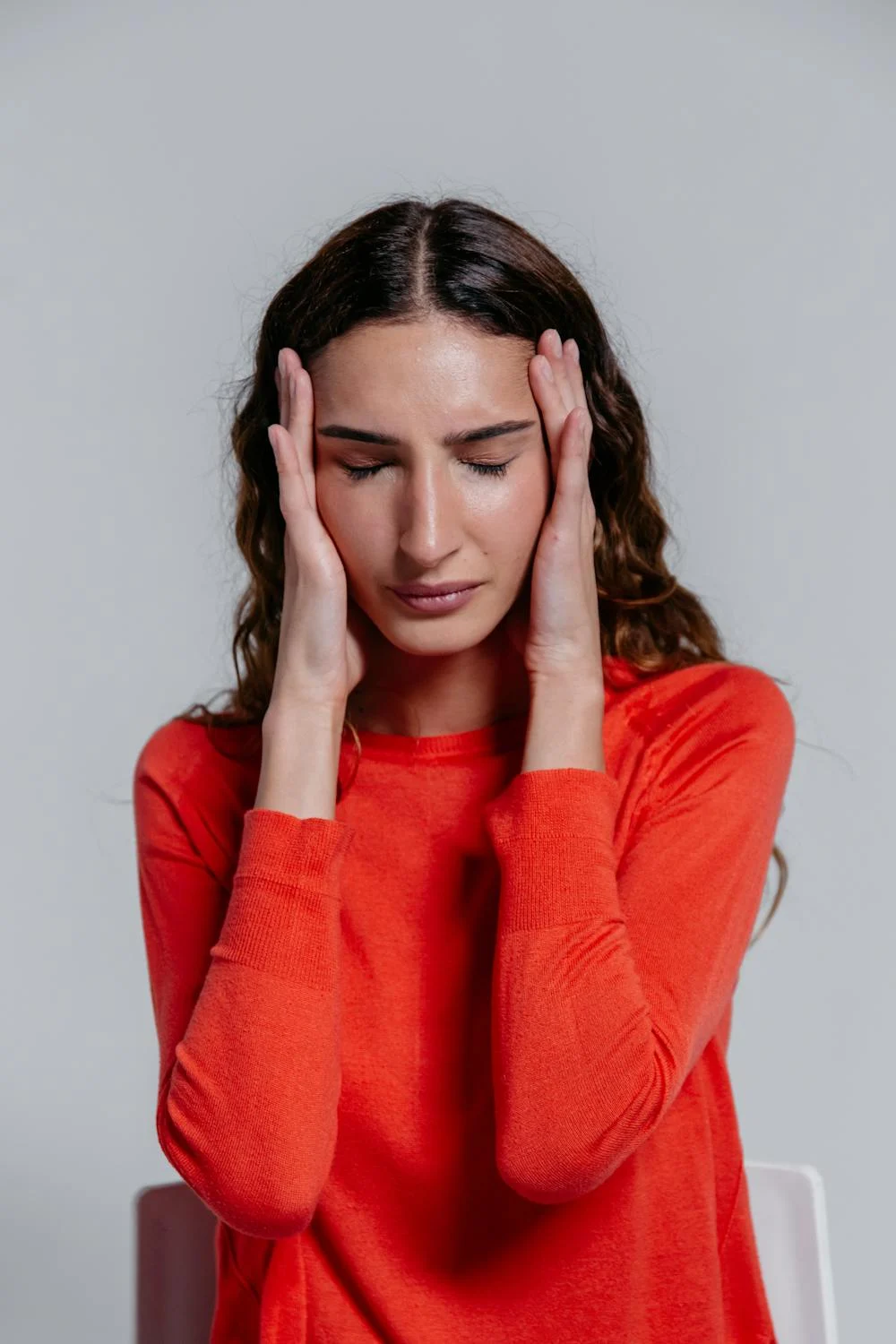
It’s completely normal to notice mood swings, irritability, sadness, or anxiety before or during your period. These emotional changes are often caused by hormonal fluctuations, but the good news is that there are simple ways to take better care of your mental health during this time. With a little extra attention and self-care, you can feel more balanced, positive, and supported throughout your cycle.
Here are a few powerful tips to protect your mental health during your period:
1. Prioritize Rest and Sleep:
Hormonal changes can disrupt your sleep, making you feel even more tired and emotional. Try to create a calming bedtime routine, avoid screens at least an hour before sleeping, and keep your bedroom cool and dark. Getting enough sleep helps regulate your mood and makes it easier to cope with everyday stress.
2. Journal Your Feelings:
Sometimes, writing down how you feel can help release emotional tension. Journaling is a great way to understand your emotions better instead of letting them control you. If you’re feeling overwhelmed, take five minutes to write freely about your thoughts. It’s a small but powerful way to take care of your mental health.
3. Stay Connected with Loved Ones:
It’s tempting to isolate yourself when you’re feeling down, but maintaining social connections can uplift your mood. Call a friend, talk to a family member, or even send a few texts to people who make you feel good. Remember, you’re not alone, and reaching out for emotional support is a sign of strength.
4. Move Your Body Gently:
You don’t have to do intense workouts. Light activities like walking, yoga, or stretching can release feel-good chemicals (endorphins) that naturally improve your mood. Even 10–15 minutes a day can make a huge difference in how you feel mentally and emotionally.
5. Practice Deep Breathing or Meditation:
Taking slow, deep breaths or practicing simple meditation exercises can calm your nervous system. When you feel anxiety rising or your mood dipping, stop and take a few slow, deep breaths. This technique helps reduce stress and brings you back to the present moment.
6. Nourish Your Body Kindly:
What you eat also affects your mood. Choose foods that support your body and avoid too much sugar and caffeine, as they can make mood swings worse. Warm, comforting meals can feel like a hug from the inside out.
7. Be Kind to Yourself:
Most importantly, don’t be too hard on yourself. Your body and mind are going through natural changes. It’s okay to feel emotional. Treat yourself with the same kindness you would offer a close friend.
Taking care of your mental health during your period is not selfish — it’s necessary. When you prioritize your well-being, you can handle challenges better and enjoy more peace and balance in your daily life. Every small step counts!