Category: Uncategorized

  • A Small Medical Study Made Me Rethink Everything I Knew About My Cycle

    A Small Medical Study Made Me Rethink Everything I Knew About My Cycle

    Last year, while reading a short medical report shared by a women’s health researcher, I came across a simple but powerful idea: most women only experience their cycle, but few truly track its patterns beyond bleeding days. That sentence stayed with me.

    The study followed women who logged not only their period dates, but also sleep quality, digestion, mood, skin changes, and energy levels across several months. What researchers found was surprising—many symptoms women considered “random” followed very clear cycle-related patterns.

    Curious, I decided to try it myself. I started noting small details in my cycle: days when I felt confident, days when concentration was low, moments of bloating, or sudden creativity. Within two months, a pattern appeared. My low-energy days were predictable. My emotional sensitivity had timing. Even my headaches followed a rhythm.

    This awareness changed how I lived. I stopped blaming myself on low days and stopped overworking during high-energy phases. Instead, I began aligning tasks with my cycle. Planning, learning, and social activities felt easier when done at the right time.

    One insight from the study focused on inflammation levels. Researchers observed that inflammatory responses rise slightly before menstruation, which explains why joint pain, acne, and digestive discomfort often increase. This wasn’t “in my head”—it was measurable. Supporting the body with rest, anti-inflammatory foods, and hydration during that phase reduced symptoms significantly.

    Another discovery was about intuition and self-awareness. Many participants reported stronger emotional clarity during certain phases of their cycle. When listened to, these signals helped them make better decisions—not impulsive ones.

    What moved me most was realizing how little we are taught about this. The menstrual cycle is often reduced to bleeding days, while it actually influences the brain, metabolism, immune system, and emotions.

    This experience taught me that knowledge is not control—it’s freedom. When women understand their cycles, they stop fighting themselves. They begin cooperating with their biology.

    Your cycle is not a limitation. It’s a map. And once you learn how to read it, everything becomes clearer.
  • What Science Confirms About the Menstrual Cycle — And What Many Women Still Don’t Know

    What Science Confirms About the Menstrual Cycle — And What Many Women Still Don’t Know

    The menstrual cycle is often simplified as “the period,” but medical research shows it is a complex biological process that affects nearly every system in the body. Understanding how it works can help women recognize normal changes, avoid misinformation, and better interpret their cycle data when using tracking apps.

    A typical menstrual cycle is divided into four phases: menstrual, follicular, ovulatory, and luteal. Each phase is driven by specific hormonal changes, mainly estrogen and progesterone. These hormones do not only regulate the uterus — they also influence the brain, metabolism, immune system, and energy levels.

    During the menstrual phase, the uterus sheds its lining. Medical studies confirm that fatigue during this time is linked to temporary drops in iron levels and changes in inflammatory markers. This explains why rest and reduced physical strain often feel necessary, even in healthy individuals.

    The follicular phase begins after bleeding ends. Estrogen levels gradually rise, which has been shown to support cognitive function, motivation, and muscle recovery. Research indicates that this phase is often associated with improved focus and learning ability, making it a naturally higher-energy period for many women.

    Ovulation is a short but important phase. Scientifically, it is confirmed as the time of highest fertility, marked by the release of an egg. Hormonal peaks during ovulation can affect body temperature, cervical fluid, and even social behavior. These changes are commonly tracked in fertility-awareness methods and modern cycle-tracking apps.

    The luteal phase follows ovulation and is dominated by progesterone. Medical literature shows that progesterone has a calming but sometimes slowing effect on the body. Digestion may become slower, body temperature slightly higher, and sensitivity to stress more noticeable. These changes are physiological, not psychological weakness.

    One important scientific finding is that cycle symptoms are not random. Research confirms that headaches, digestive discomfort, sleep changes, skin reactions, and mood shifts often follow predictable cycle-related patterns. Tracking these signs over time helps distinguish between normal hormonal responses and unusual changes that may require professional attention.

    Another key fact supported by doctors is that menstrual cycles are not identical for everyone. Cycle length, symptom intensity, and phase duration vary naturally. This is why comparing cycles between individuals is not medically accurate. Personalized tracking provides more meaningful insight than generalized expectations.

    Health education around the menstrual cycle is not about control or self-diagnosis. It is about body literacy — understanding how a healthy cycle typically behaves and recognizing when something feels different from one’s own normal pattern.

    Science confirms that informed awareness reduces anxiety, improves self-care decisions, and supports better communication with healthcare professionals when needed.

  • How Food Interacts With Hormones During Your Period — What Research Actually Shows

    How Food Interacts With Hormones During Your Period — What Research Actually Shows

    Nutrition plays a measurable role during the menstrual cycle, especially during menstruation. Medical and nutritional research confirms that the body’s nutritional needs change slightly during this phase due to hormonal shifts, inflammation, and blood loss. Understanding these changes helps explain why certain foods feel supportive while others may increase discomfort.

  • How Food Interacts With Hormones During Your Period — What Research Actually Shows

    How Food Interacts With Hormones During Your Period — What Research Actually Shows

    Nutrition plays a measurable role during the menstrual cycle, especially during menstruation. Medical and nutritional research confirms that the body’s nutritional needs change slightly during this phase due to hormonal shifts, inflammation, and blood loss. Understanding these changes helps explain why certain foods feel supportive while others may increase discomfort.

  • Why Mood Changes Happen During the Cycle — A Science-Based Explanation

    Why Mood Changes Happen During the Cycle — A Science-Based Explanation

    Mood changes during the menstrual cycle are widely studied in neuroscience and endocrinology. Medical research confirms that emotional shifts related to the cycle are not personality traits or emotional weakness, but the result of predictable biological processes in the brain.

  • Why Mood Changes Happen During the Cycle — A Science-Based Explanation

    Why Mood Changes Happen During the Cycle — A Science-Based Explanation

    Mood changes during the menstrual cycle are widely studied in neuroscience and endocrinology. Medical research confirms that emotional shifts related to the cycle are not personality traits or emotional weakness, but the result of predictable biological processes in the brain.

  • Why Mood Changes Happen During the Cycle — A Science-Based Explanation

    Why Mood Changes Happen During the Cycle — A Science-Based Explanation

    Mood changes during the menstrual cycle are widely studied in neuroscience and endocrinology. Medical research confirms that emotional shifts related to the cycle are not personality traits or emotional weakness, but the result of predictable biological processes in the brain.

  • The Surprising Benefit of Eating Oats During Your Period

    The Surprising Benefit of Eating Oats During Your Period

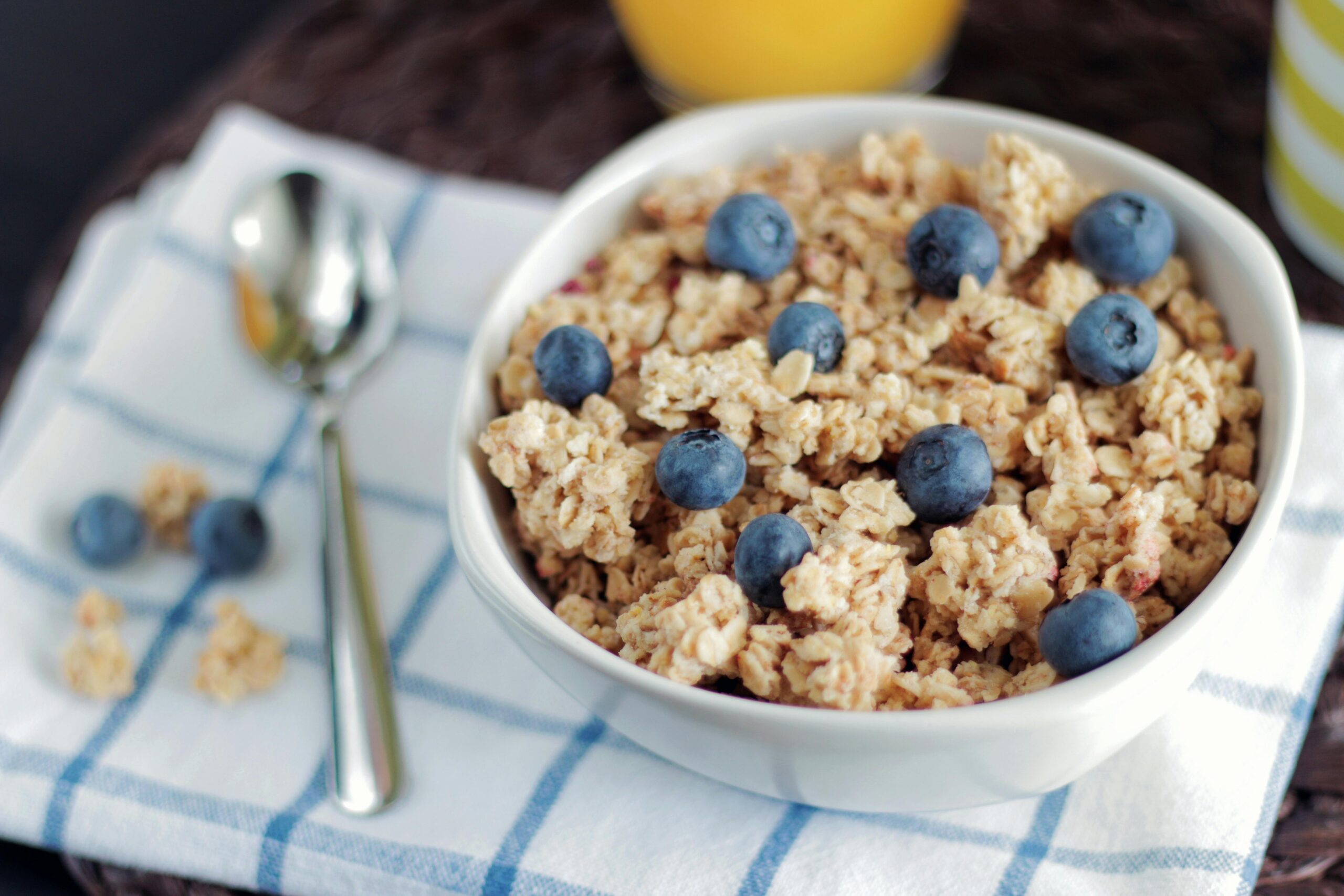
    A recent nutrition experiment found that women who ate a bowl of oats every morning during their period experienced less bloating and more stable energy. The reason lies in the fiber and iron found in oats, which help regulate digestion and compensate for the iron lost through bleeding.

    Oats also contain vitamin B6, known to balance mood and reduce irritability. In the experiment, women who combined oats with fruits like banana or berries reported less fatigue and fewer cravings.

    To try it yourself, cook oats with milk or plant-based alternatives, add some honey or cinnamon, and enjoy it warm. It’s not just comfort food — it’s nourishment that supports your body’s natural rhythm.

  • The Future of Menstrual Health: A Tiny Sensor That Tracks Hormones

    The Future of Menstrual Health: A Tiny Sensor That Tracks Hormones

    In 2025, researchers in Switzerland developed a small wearable sensor that tracks hormone levels through sweat — offering a new way to understand menstrual cycles in real time.

  • The Sleep Connection: Why Resting Well Can Ease Your Period Symptoms

    The Sleep Connection: Why Resting Well Can Ease Your Period Symptoms

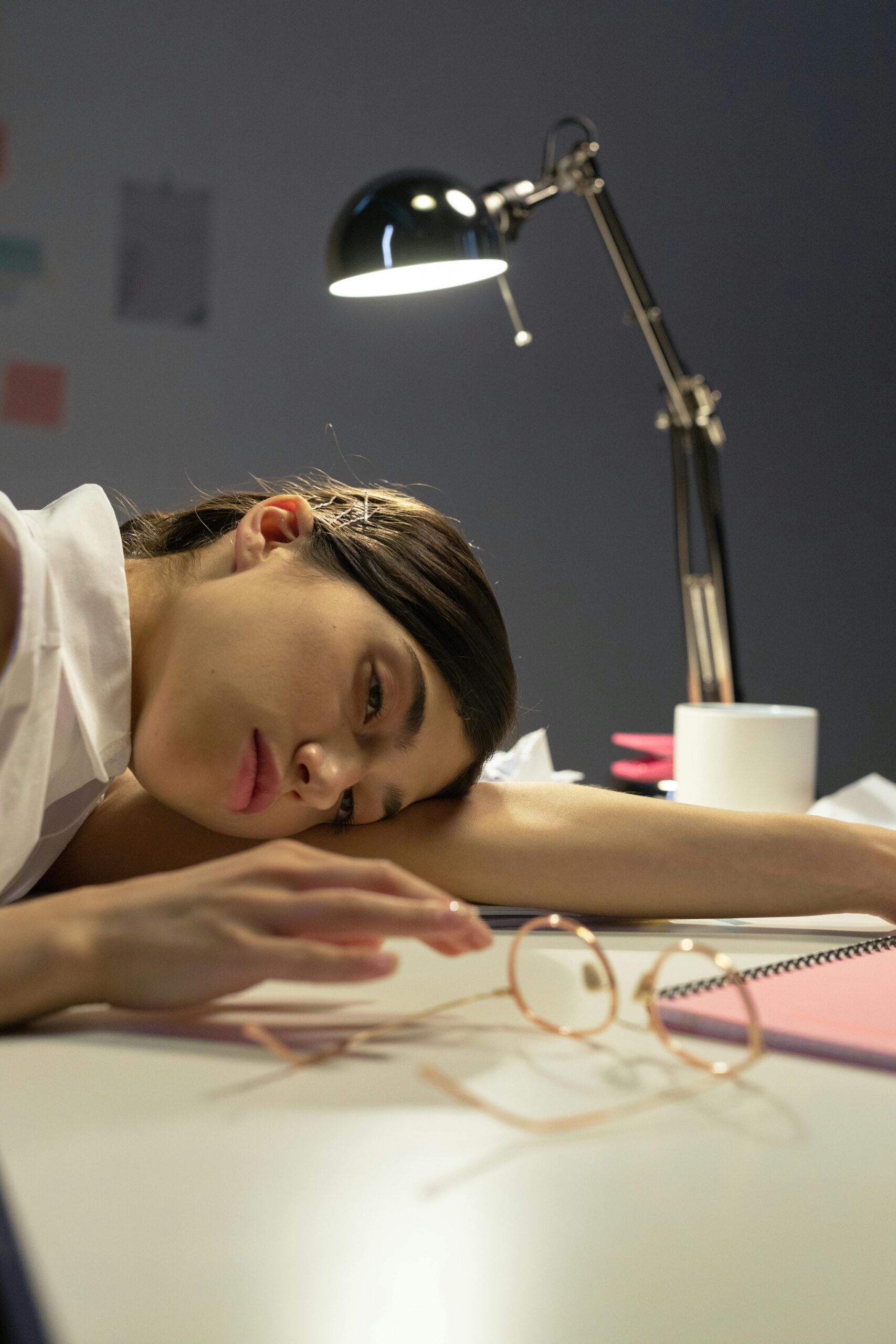
    Sleep is more powerful than most of us realize — especially during menstruation. A lack of sleep can make cramps worse, increase irritability, and even prolong bleeding. Your body is already working hard to shed the uterine lining, and without enough rest, it has to work twice as much.

    A small clinic study in Sweden observed women who got less than six hours of sleep before and during their period. They reported heavier bleeding and stronger cramps than those who slept seven to eight hours. The difference wasn’t just physical — poor sleepers felt more anxious and less patient with loved ones.

    If you struggle to fall asleep, try keeping a night routine. Avoid screens 30 minutes before bed, dim the lights, and drink something warm — like chamomile tea. Also, try magnesium before sleep; it’s known to relax muscles and improve rest quality.

    Your body renews itself while you sleep. Hormone balance, mood, and pain sensitivity all depend on those precious hours of rest. So don’t feel guilty for sleeping more during your period — it’s your body’s way of healing.