Blog

  • Why Tracking Your Cervical Mucus Can Improve Your Cycle Awareness

    Why Tracking Your Cervical Mucus Can Improve Your Cycle Awareness

    When we think of tracking periods, most of us only pay attention to bleeding days. But your body gives signals throughout the month — one of the most powerful is cervical mucus. Understanding it can help you know where you are in your cycle, why you feel the way you do, and even predict your period more accurately.

    🌸 What is cervical mucus?
    It’s the fluid your cervix produces. It changes texture and appearance depending on your hormones.

    👀 Phases you might notice:

    • Dry or sticky: Often after your period ends. Low fertility, lower energy.
    • Creamy/lotion-like: Estrogen starts rising. You may feel more social and energized.
    • Clear, stretchy, egg-white: Peak fertility, right before ovulation. Many women feel their best here — confident, glowing, outgoing.
    • Thicker again: As progesterone rises in the luteal phase, mucus decreases. You might feel calmer or more inward.

    Why pay attention?

    • Predict your fertile and non-fertile days
    • Connect physical sensations with emotional shifts
    • Spot hormonal imbalances early (like if mucus is consistently scant or absent)
    • Feel more “in tune” with your natural rhythm instead of being surprised by PMS

    This isn’t just for fertility — it’s for self-awareness. When you know what’s happening in your body, you stop feeling like your period “sneaks up” on you. Instead, you begin to see your cycle as a conversation your body is having with you every single day.

    Your body speaks. Cervical mucus is just one of its beautiful languages. 🕊️

  • Anti-Inflammatory Foods That Help Fight Period Pain Naturally

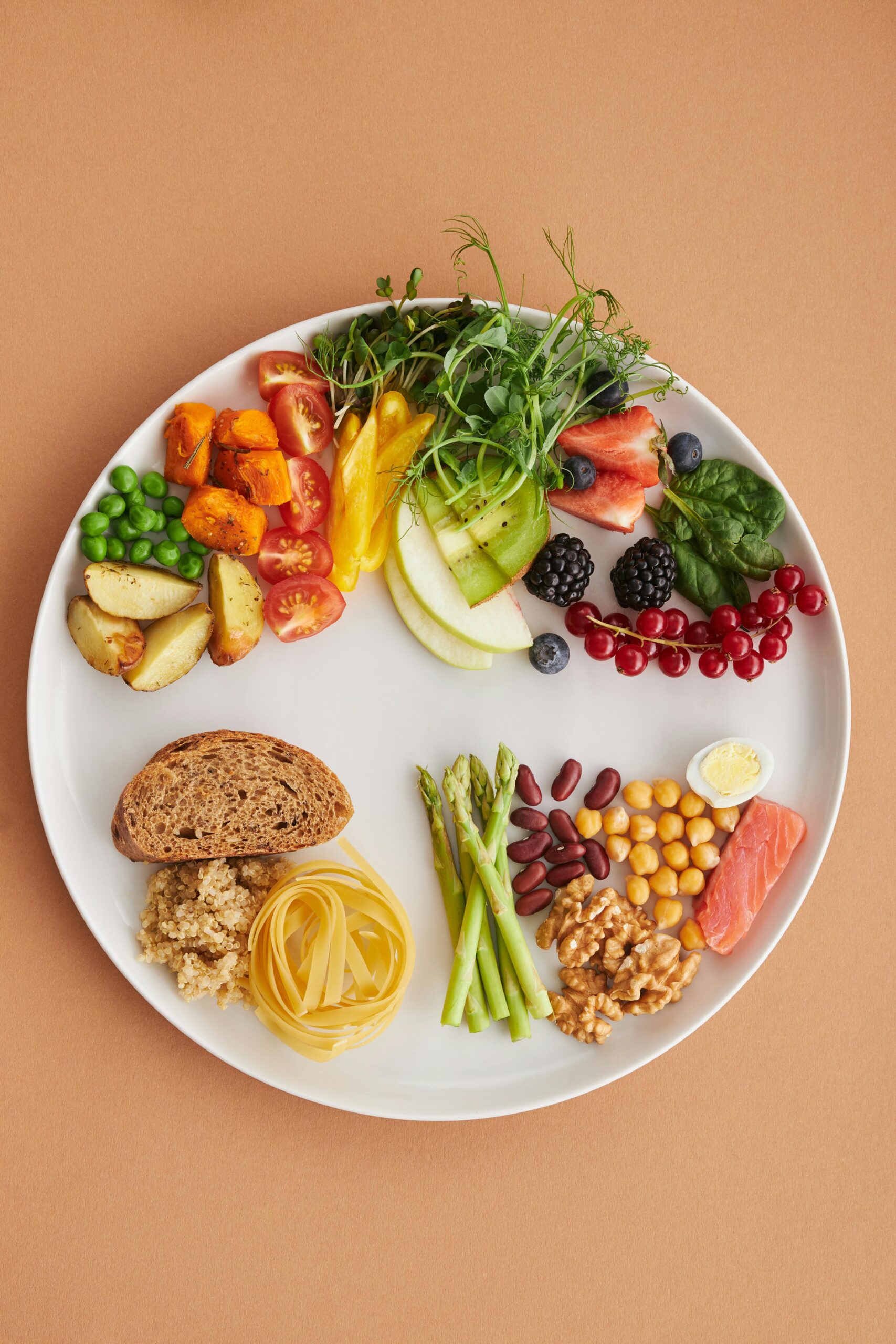
    Anti-Inflammatory Foods That Help Fight Period Pain Naturally

    When period cramps strike, most of us reach for a painkiller — and that’s completely okay. But what if you could also prevent or lessen those cramps with food?

    Cramps are caused by prostaglandins — hormone-like chemicals that trigger the muscles in your uterus to contract. High levels of prostaglandins = more pain. But certain foods can help lower inflammation and reduce prostaglandin production, making your cycle feel a little easier.

    🌿 Here’s your anti-cramp food list:

    🥦 Leafy Greens (like spinach, kale, swiss chard):
    Loaded with magnesium, calcium, and antioxidants to relax muscles and reduce inflammation.

    🐟 Fatty Fish (like salmon, sardines, mackerel):
    High in omega-3 fatty acids, which lower prostaglandins and ease menstrual pain.

    🌰 Nuts and Seeds (flaxseeds, walnuts, chia):
    They support hormonal balance and reduce bloating.

    🍅 Tomatoes and Berries:
    Rich in antioxidants like lycopene and anthocyanins, which fight inflammation and boost mood.

    🧄 Turmeric and Ginger:
    Natural pain relievers! Add them to soups, teas, or smoothies to soothe your body.

    🍠 Sweet Potatoes and Whole Grains:
    They stabilize blood sugar, which can help with mood swings and energy crashes.

    🚫 What to avoid?

    • Processed foods with seed oils or trans fats
    • Sugar bombs (cakes, candy, soft drinks)
    • Dairy (some people find it worsens cramps)
    • Red meat (high prostaglandin levels)

    Food is powerful — and you can build a plate that doesn’t just fill you up, but heals you from the inside. Treat each meal like a small act of care for your body. Over time, you may notice your cramps soften, your energy rise, and your moods even out — no meds required. 🌸

  • Why You Should Track Your Period (Even If It’s Regular)

    Why You Should Track Your Period (Even If It’s Regular)

    If you already know when your period comes, you might wonder: “Why bother tracking it?” But tracking your cycle is about so much more than just knowing the start date.

    It’s a tool to understand your body, predict your moods, plan your life better, and even spot early signs of health issues. Your period is like a fifth vital sign — it can tell you what’s going on inside.

    📅 What you can learn by tracking your cycle:

    💥 Mood patterns:
    Do you feel more anxious before your period? More social during ovulation? When you track it, you see the pattern — and stop blaming yourself for feeling “off.”

    ❤️ Relationship patterns:
    Noticing arguments or emotional sensitivity at the same point in every cycle? That’s not random. Understanding these shifts can actually help your communication and self-awareness.

    🩸 Spotting irregularities:
    Late periods, spotting, painful cramps, or missing cycles could be signs of hormonal imbalance, thyroid issues, or even PCOS. Tracking helps you catch changes early.

    💪 Fitness and energy levels:
    Track when your workouts feel easier, or when your body needs rest. Align your exercise with your energy phases.

    🍽️ Appetite and cravings:
    Your metabolism changes through your cycle. Tracking helps you honor your body’s changing hunger without guilt.

    🧠 Mental clarity:
    Some phases bring more creativity and focus. Use this to schedule important projects or ideas.

    You don’t need a fancy app — even a notebook or calendar works. But if you do use an app, go for one that understands your hormones, not just your bleed days.

    Knowledge is power. And when you understand your cycle, you understand yourself. 🌙

  • Why Knowing Your Cycle Phases Can Change Your Life

    Why Knowing Your Cycle Phases Can Change Your Life

    Your period is just one part of a larger rhythm — your menstrual cycle. And when you understand your 4 cycle phases, you unlock a deeper connection to your body, energy, emotions, and even productivity.

    🌱 1. Menstrual Phase (Day 1–5)
    This is your period. Hormones are at their lowest. You might feel tired, introverted, and emotionally sensitive. Rest, reflect, and release.

    🌷 2. Follicular Phase (Day 6–13)
    Estrogen rises. You feel more energized, curious, and creative. This is a great time to plan, brainstorm, and try new things.

    🌼 3. Ovulation Phase (Day 14–16)
    You’re glowing! Confidence, libido, and communication skills are at a high. Perfect for interviews, dates, or socializing.

    🍂 4. Luteal Phase (Day 17–28)
    Estrogen drops, progesterone rises. You start feeling more inward, emotional, and reflective. PMS can show up here. Time to slow down and prep for your period.

    Learning to live with your cycle — instead of against it — changes everything. You’ll stop beating yourself up for feeling low energy or emotional. Instead, you’ll start honoring your natural rhythm.

    Try tracking your moods and energy for a few months. You’ll start to see patterns — and you can use those patterns to plan your life around your real self. It’s not “extra” — it’s smart, intuitive self-respect. 🌀💖

  • How a Warm Compress Can Change Your Period Experience

    How a Warm Compress Can Change Your Period Experience

    When cramps hit hard, sometimes you just want instant relief. One of the most powerful and underrated tools? A simple warm compress. Whether it’s a hot water bottle, heating pad, or a warm towel — this basic trick can make a huge difference in how you experience your period.

    🔥 Here’s why it works:

    • Heat increases blood flow, which helps relax the uterine muscles
    • It reduces the intensity of cramps and spasms
    • Helps relieve lower back pain
    • Calms the nervous system, easing both physical and emotional tension

    ✨ How to use it effectively:

    • Place on your lower belly or lower back for 15–20 minutes
    • Combine with deep breathing or a short rest
    • You can also use a warm rice sock or even a warm bath for full-body relief
    • Add essential oils like lavender or clary sage to the compress for a soothing aromatherapy boost

    Tip: Use it before the pain gets intense. If you track your period and know when cramps usually start, apply heat early to stay ahead of discomfort.

    And don’t feel guilty for resting with a hot compress. That’s not “laziness” — it’s intelligent, loving self-care. Your body is working hard. You deserve comfort and ease. 🌸🛌

  • The PMS Mood Rollercoaster Is Real — And You’re Not Alone

    The PMS Mood Rollercoaster Is Real — And You’re Not Alone

    Do you ever feel like your emotions spiral out of control before your period? One moment you’re fine, the next you’re crying over a commercial or snapping at someone you love? That emotional rollercoaster is PMS in full swing, and it’s a lot more common than people think.

    PMS doesn’t just affect your body — it directly influences your brain chemistry, especially how you regulate stress, frustration, and sadness.

    🌀 You might feel:

    • Suddenly anxious or restless
    • Extremely sensitive to criticism
    • Down or disconnected from yourself
    • Overwhelmed by small tasks
    • Like you want to isolate

    It’s not “just hormones” — it’s real emotional intensity. And no, you’re not overreacting.

    🧘‍♀️ Here are gentle ways to manage PMS mood swings:

    • Name your feelings — saying “I feel fragile today” is powerful
    • Reduce pressure — it’s okay to postpone heavy tasks or social plans
    • Nourish your nervous system: magnesium, vitamin B6, and warm, grounding foods help
    • Journaling or voice memos to yourself can release emotional tension
    • Move your body — walking or yoga supports hormone balance and lifts mood

    You’re allowed to be tender. You’re allowed to feel deeply. And you’re absolutely not alone. Many women go through this — we just don’t talk about it enough. Speak kindly to yourself during this phase, like you would to a dear friend. You’re doing better than you think. 🤍

  • Beat Bloating Naturally with These Period-Friendly Foods

    Beat Bloating Naturally with These Period-Friendly Foods

    Bloating is one of the most annoying period symptoms — your clothes feel tighter, your stomach feels heavy, and you’re just uncomfortable in your own body. The good news? What you eat can make a big difference.

    Here are the top foods that help reduce bloating during your period:

    🥒 Cucumber – High in water, helps flush out excess sodium
    🍍 Pineapple – Contains bromelain, an enzyme that reduces inflammation
    🍌 Bananas – Rich in potassium, which helps balance fluids
    🍵 Ginger tea – Calms the stomach and eases water retention
    🥦 Steamed greens – Help digestion without causing gas
    🥥 Coconut water – A great natural electrolyte replacement

    And don’t forget about hydration. Drinking more water may sound counterintuitive when you’re bloated, but it actually helps reduce it. Water keeps things moving in your digestive system and flushes out excess salt.

    🚫 Try to avoid:

    • Salty snacks and processed foods
    • Carbonated drinks (including sparkling water!)
    • Dairy (if you’re sensitive to it)
    • Chewing gum (causes you to swallow air)

    Bonus tip: Eat slowly and avoid eating late at night — this helps reduce digestive stress.

    Instead of battling your body during your cycle, support it with gentle foods that bring relief. Bloating isn’t permanent — and these small changes can help you feel lighter and more in control. 🌿

  • Is Your Period Pain Normal or a Sign of Something More?

    Is Your Period Pain Normal or a Sign of Something More?

    Many women assume that intense cramps are just a “normal” part of having a period. But let’s pause for a second — what if your pain is actually a sign of something deeper?

    Mild to moderate cramping is normal. But when period pain becomes debilitating, it may point to conditions like endometriosis, adenomyosis, or PCOS.

    🚩Signs your period pain might not be normal:

    • You need to miss school, work, or daily activities
    • Over-the-counter pain meds barely help
    • Pain feels stabbing, radiating to legs or back
    • You have pain outside your period, especially during ovulation or sex
    • You feel bloated, nauseous, or experience digestive changes often

    If this sounds familiar, don’t brush it off. So many women are dismissed for years before getting a diagnosis. Listening to your body is the first step toward healing.

    🩺 What can you do?

    • Track your symptoms consistently — this gives doctors real data
    • Don’t minimize your pain when speaking to healthcare providers
    • Consider seeing a gynecologist who understands menstrual health beyond birth control
    • Ask about hormonal or surgical options if you’re dealing with a diagnosed condition

    You deserve care, not just survival. Normalize advocating for yourself. Period pain may be common, but suffering isn’t normal. 💬💛

  • The Power of Gentle Movement During Your Period

    The Power of Gentle Movement During Your Period

    When you’re cramping and tired, working out is probably the last thing on your mind — but guess what? Gentle movement during your period can actually help you feel better faster.

    Exercise doesn’t mean high-intensity workouts. It means moving your body with love — even if that’s just stretching in bed or a short walk around the block.

    💡 Moving your body during menstruation helps:

    • Reduce cramps by improving blood flow
    • Release endorphins (your body’s natural painkillers)
    • Ease bloating
    • Improve your mood
    • Boost your energy

    🚶‍♀️ Try these period-friendly movements:

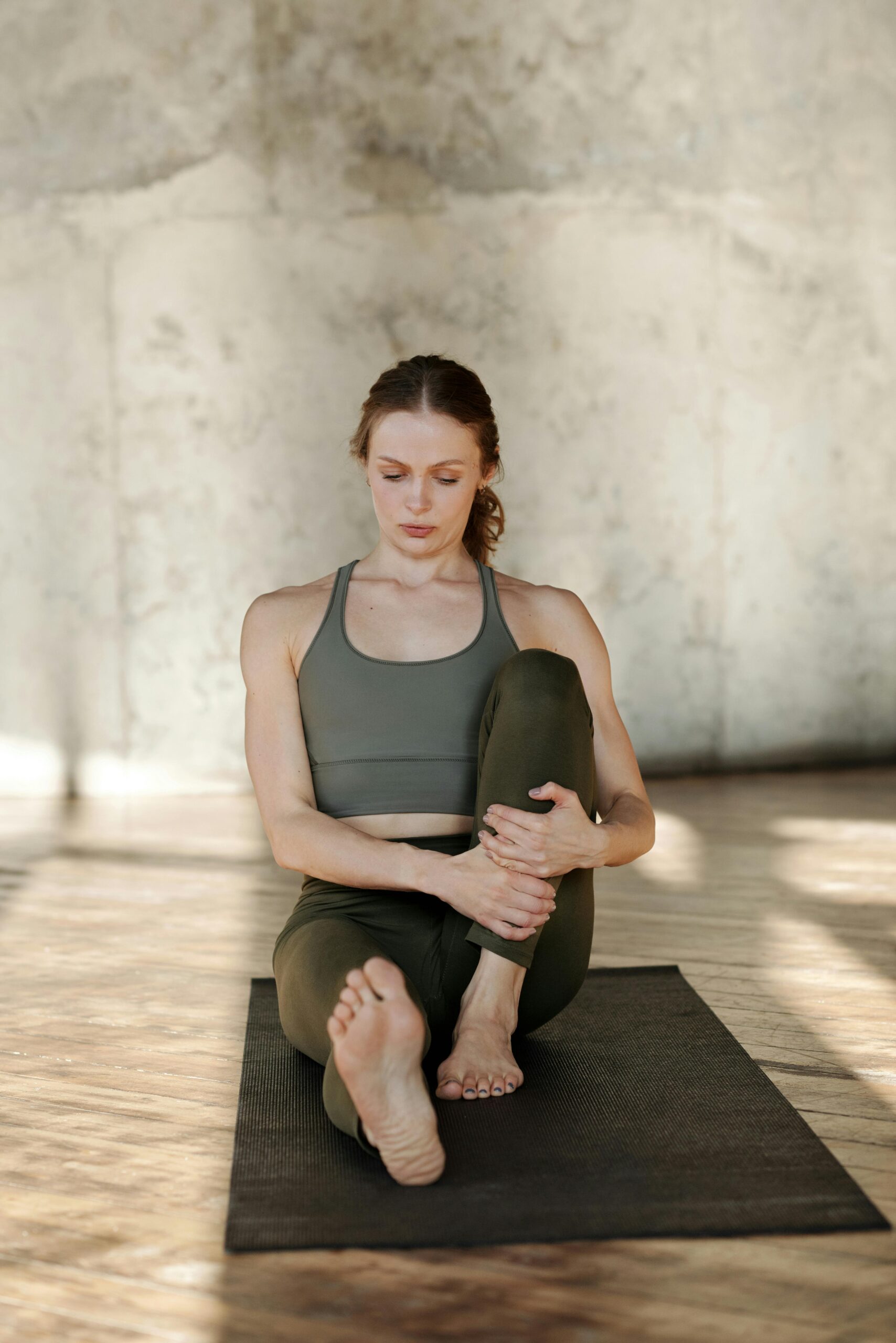
    • Yoga (especially poses that relax the lower belly and hips)
    • Walking at a slow or moderate pace
    • Gentle dancing around your room to music you love
    • Foam rolling or stretching to ease tightness

    Avoid:
    ❌ High-impact cardio if you feel exhausted
    ❌ Heavy lifting if you’re cramping
    ❌ Forcing yourself to train when your body is clearly asking for rest

    The key is listening to your body. Some cycles, you’ll have energy to move more. Others, not so much — and that’s completely okay.

    Exercise should be supportive, not punishing. And during your period, it becomes a form of self-care. So, next time you’re curled up in discomfort, ask yourself — “What’s the kindest way I can move today?” 🌿

  • Why You Shouldn’t Skip Iron-Rich Foods on Your Period

    Why You Shouldn’t Skip Iron-Rich Foods on Your Period

    When you’re on your period, your body loses blood — and with that, iron. If you’re not replenishing that iron, you may feel extra tired, foggy, or even dizzy. Your period is already an energy dip — and low iron makes it worse.

    🩸 Iron is essential for:

    • Oxygen circulation
    • Muscle recovery
    • Brain focus
    • Energy production

    🥩 If you eat meat, good iron sources include:

    • Red meat (beef, lamb)
    • Chicken liver (surprisingly powerful!)
    • Sardines and tuna

    🌱 If you’re plant-based, go for:

    • Lentils and chickpeas
    • Tofu and tempeh
    • Spinach, kale, and broccoli
    • Pumpkin seeds, quinoa, oats

    ⚠️ BUT there’s a catch! Plant-based iron is harder to absorb. To boost absorption:

    • Eat vitamin C-rich foods (like lemon, oranges, bell peppers) alongside your iron-rich meals.
    • Avoid drinking tea or coffee with iron meals — they block absorption.

    Try this perfect period meal:
    🍛 Lentil curry with spinach, served with a squeeze of lemon and a side of brown rice. Or a beef stir-fry with broccoli and bell peppers.

    Also consider cooking in a cast iron pan — it actually releases iron into your food!

    Iron isn’t just for anemia — it’s your secret weapon for staying strong during your period. Take care of your body, and it will take care of you. 💪✨